For remote communities, mines, camps and isolated facilities, waste management decisions are often made with surprisingly little reliable information about the waste itself.
How much waste is actually being generated? What is in it? How does the volume change seasonally? What can be recycled, diverted, composted, landfilled or thermally treated? And, perhaps most importantly, what does that mean for the size and type of equipment that is really required?
A waste audit or waste assessment is intended to answer those questions before major decisions are made.
What Is a Waste Audit?
A waste audit is a structured assessment of the quantity, composition and characteristics of a waste stream.
Depending on the project, this may include:
- Reviewing available waste records, hauling data and historical estimates
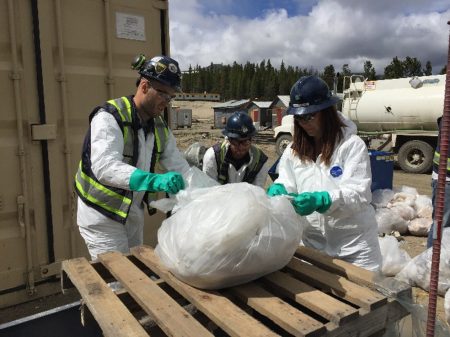
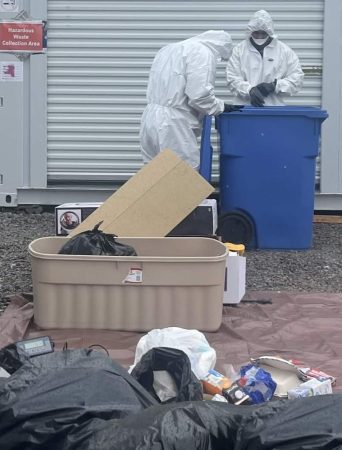
- Sorting and categorizing representative samples of waste
- Measuring or estimating waste weights, volumes and bulk densities
- Identifying recyclable, hazardous, combustible, non-combustible and special waste streams
- Assessing seasonal fluctuations and future changes in waste generation
- Evaluating existing collection, storage, transportation and disposal practices
- Developing realistic design quantities for future waste management systems
- Conducting field observations and interviews with operators and representatives
For some projects, representative samples may also be sent for laboratory testing to determine parameters such as moisture, ash content, heating value or chemical composition.
The objective is not simply to produce a spreadsheet showing percentages of different types of garbage. A good waste assessment provides the design basis for the waste management system that follows.
Why Does It Matter?
Waste management equipment is frequently selected using population-based assumptions, outdated studies or estimates of the number of bags, bins or truckloads being handled.
Those numbers can be misleading.
A cubic meter of cardboard is very different from a cubic meter of wet food waste. Construction debris, bulky waste, scrap metal and household garbage all have very different densities and handling requirements. Northern and remote communities may also experience significant changes in waste generation depending on sealift schedules, construction projects, seasonal population and local economic activity.
If the underlying waste assumptions are wrong, the consequences can be expensive.
A system may be oversized, increasing capital and operating costs unnecessarily. More commonly, equipment can be undersized because the original waste estimate did not properly account for density, peak generation periods, bulky materials or future growth.
The same information also affects decisions about recycling, storage buildings, transfer stations, landfill capacity, collection vehicles, incineration systems and the number of operating hours required each day.
For this reason, EWS often recommends that a reliable waste assessment be completed before equipment is selected or a waste management facility is designed.
More Than Counting Garbage
One of the most important distinctions in the work we do is that we approach a waste audit from an engineering and operational perspective.
The question is not only: “What is in the waste?”
It is also: “What are you going to do with it?”
That means looking at practical issues such as:
- How waste will be collected and delivered
- What materials need to be separated before processing
- What can realistically be recycled in a remote location
- How bulky materials should be handled
- Whether waste needs to be shredded, stored or dried
- What portion of the waste is suitable for thermal treatment
- How much residual ash or non-combustible material will remain
- How many hours per day processing equipment will need to operate
- What happens during peak waste generation periods or equipment downtime
These questions often have as much influence on the final facility design as the waste composition itself.
Why Eco Waste Solutions?
Eco Waste Solutions has been working with remote and challenging waste streams for more than 30 years.
Our team has designed and supplied waste treatment systems for remote communities, mining operations, military installations, government facilities and isolated industrial sites throughout Canada and around the world.
That experience gives us a different perspective from a consultant conducting a waste characterization study in isolation.
We understand how the data collected in the field ultimately affects equipment selection, material handling, combustion performance, emissions, operating labour, fuel consumption, maintenance requirements and overall project economics.
We also understand that theoretical diversion opportunities are not always practical in remote locations. Shipping distances, limited markets for recyclables, seasonal transportation, staffing and available infrastructure can dramatically change what constitutes a workable solution.
Our objective is therefore to develop a realistic waste management design basis, not simply a laboratory description of the waste.
A Recent Remote Community Waste Assessment
On a recent Pre-Feasibility Study for a remote First Nations community in northern Canada, EWS was retained to better understand the community’s waste stream and provide information that could be used to support future waste management planning.
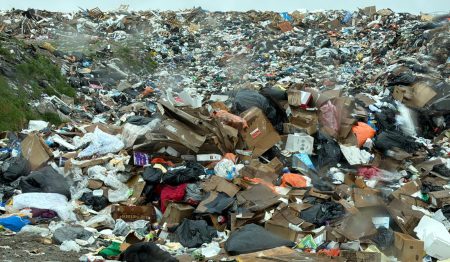
The work included reviewing available information, spending time in the community observing current waste management practices and conducting hands-on characterization of representative waste.
Waste was separated into meaningful categories, weighed and assessed to better understand both composition and density. The team also examined how waste was being collected, stored and managed and considered the practical limitations associated with operating in a remote northern location.
Understanding the physical characteristics of the waste and identifying the proportion that could be diverted or benefit from thermal treatment provided a stronger basis for planning future infrastructure.
Just as importantly, being on site allowed the team to identify operational considerations that would have been difficult to understand from historical records or questionnaires alone.
The result was a clearer picture of the community’s actual waste stream and a more defensible basis for evaluating feasibility of installing a thermal waste treatment system and other optimizing their existing programs.
Good Waste Management Starts with Good Data
Whether a project ultimately involves an integrated waste management approach including recycling, composting, and energy from waste or simply volume reduction, the starting point should be the same: understand the waste first.
A properly conducted waste audit will prevent costly design mistakes, identify realistic diversion opportunities and provide the engineering information needed to select and size infrastructure appropriately.
For remote communities and other remote sites, replacing or modifying infrastructure can be difficult and expensive, investing in that information early can significantly reduce project risk.
Eco Waste Solutions provides waste audits and waste assessments as stand-alone consulting services or as part of broader waste management, feasibility and system design studies.